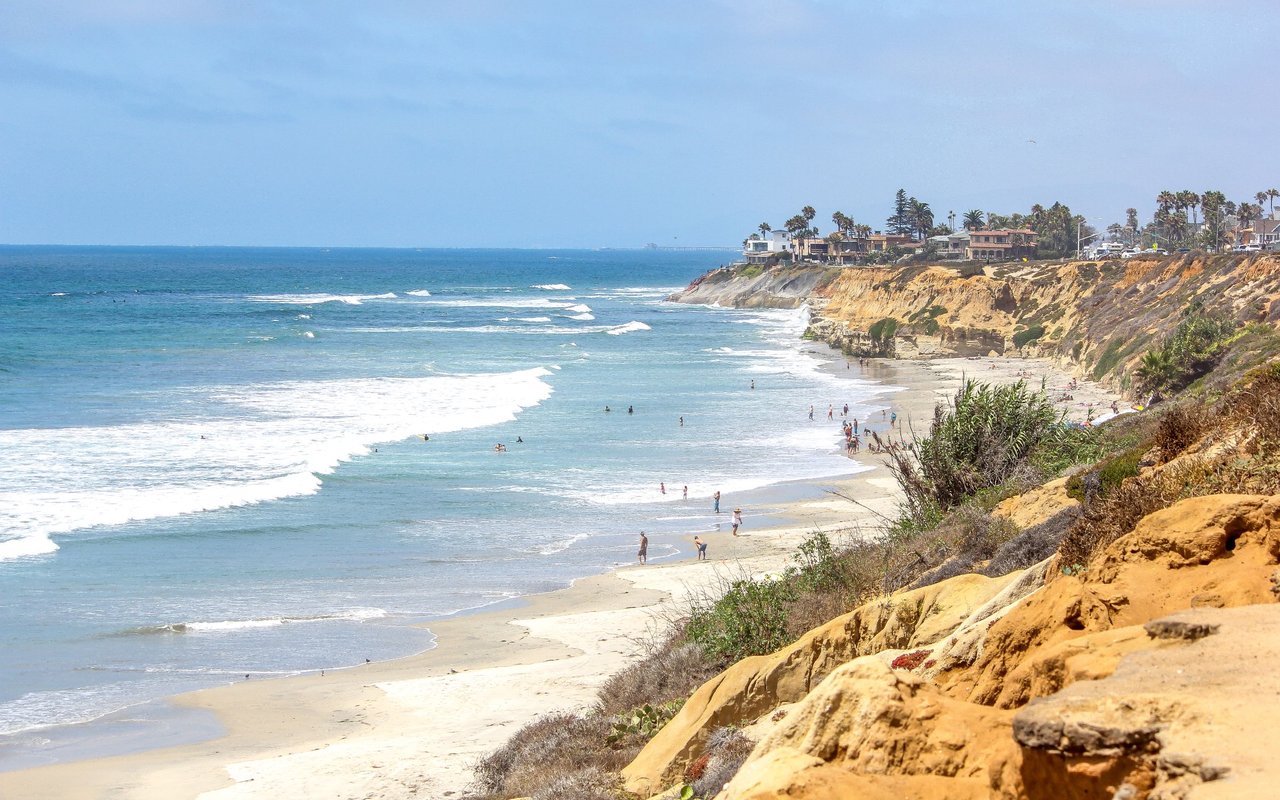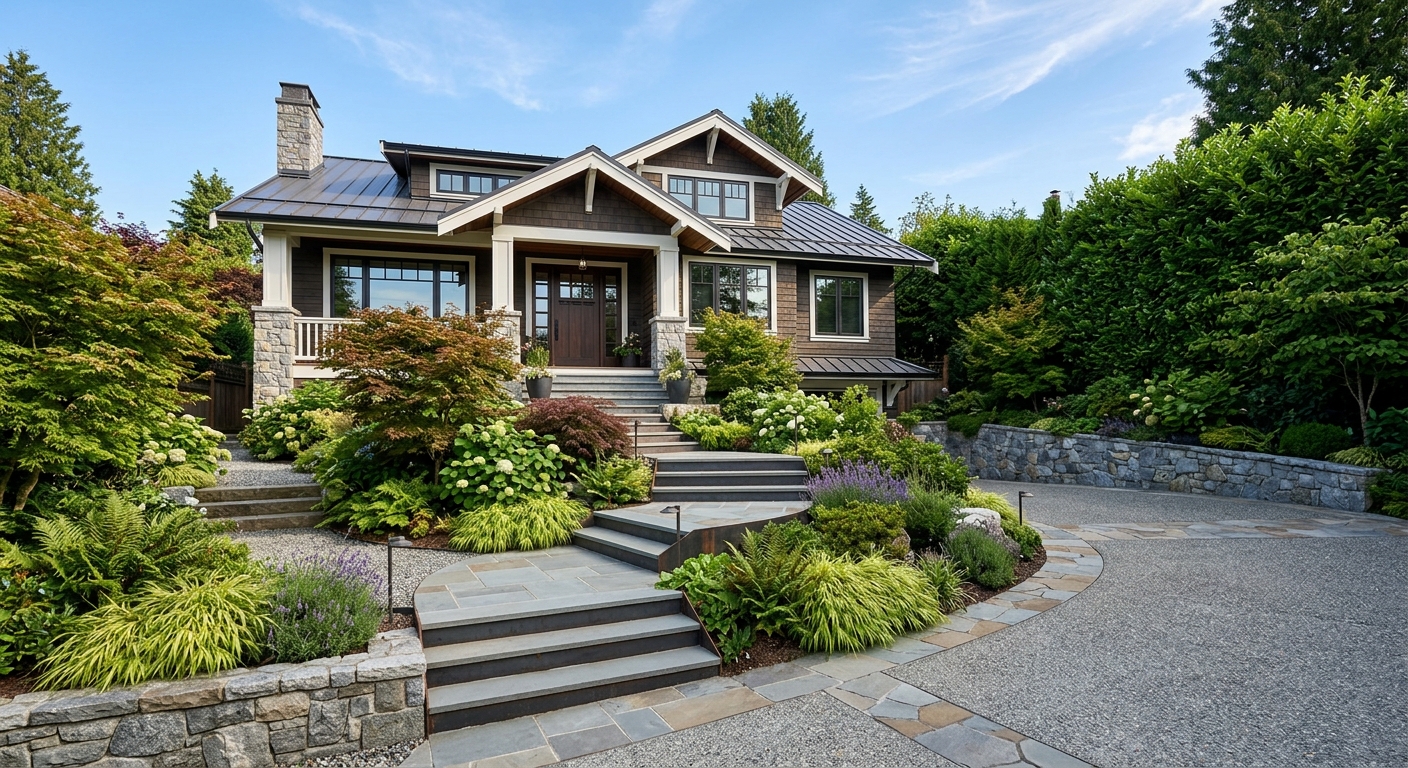
If Belmont has ever felt like two cities in one, you are not imagining it. In a very small footprint, Belmont shifts from lower, corridor-adjacent areas with easier day-to-day convenience to hillside neighborhoods with elevation, views, and a more tucked-away feel. If you are trying to decide where you would feel most at home, understanding that split can save you time and help you focus your search. Let’s dive in.
Why Belmont Feels So Different
Belmont sits roughly midway between San Francisco and San Jose, but its physical layout is what really shapes daily life. According to the City of Belmont, the landscape moves from bay marshlands and sloughs on the east side to western hills that rise above 800 feet.
That change in elevation is the main reason Belmont can feel like it offers two different ways of living. One side leans more scenic and secluded, while the other tends to offer easier access to shopping, transit, and everyday errands.
Belmont Hills Living
For many buyers, the hills are what make Belmont memorable. The city describes areas such as Hallmark and Western Hills as hilly terrain with sweeping views, mature tree canopy, and in some places larger homes and winding streets.
If you are drawn to privacy, natural surroundings, and a retreat-like setting, hillside living may feel like the better fit. In many spots, the trade-off is worth it because the setting feels more removed from the commercial corridors below.
What the Hills Often Offer
The hillside side of Belmont tends to stand out for a few consistent reasons:
- Stronger view potential
- A more secluded residential feel
- Mature trees and established streetscapes
- Deeper setbacks in some areas
- A sense of separation from busier corridors
That said, not every hill property lives the same way. Street patterns, slope, and access can vary a lot from one pocket to another.
Hillside Trade-Offs to Consider
Topography matters in Belmont. The city’s hillside development guidance notes that areas such as San Juan Hills and Western Hills may involve steep slopes, geologic hazards, limited access and infrastructure, environmental protections, and roadway-improvement requirements.
For you as a buyer, that means the hill lifestyle is not just about views. It can also affect how you think about driving routes, future property improvements, and the overall feel of getting in and out of the neighborhood.
Walkability in the Hills
Some hillside neighborhoods do have street parking and sidewalks, but sidewalk coverage can be inconsistent where slopes are steep. Based on the city’s neighborhood descriptions, the hills are often better understood as scenic and private rather than broadly walkable.
If your ideal routine includes frequent walks to shops, transit, or services, this is an important distinction. The hills may still be a great match, but usually for different reasons.
Belmont Flats Living
Belmont’s flatter areas are not one single perfectly level district. Instead, they are generally the lower-elevation parts of town closer to key corridors and commercial areas.
The city describes neighborhoods such as Sterling Downs and Homeview as having flat terrain, orthogonal street grids, sidewalks, and on-street parking. Chula Vista includes flatter areas near Belmont Creek, with hills along its west and south edges.
Why Buyers Like the Flatter Areas
If convenience drives your home search, the flatter parts of Belmont often check more boxes. These areas tend to make it easier to connect your home life with errands, transit, and nearby services.
Here are some of the practical advantages buyers often look for:
- Sidewalks and more regular street patterns in some neighborhoods
- Quicker access to commercial corridors
- Better proximity to transit connections
- Easier day-to-day navigation for errands and appointments
- A more connected feel to civic and retail destinations
For first-time buyers, relocators, or anyone who values simplicity in a daily routine, this can be a major plus.
Belmont Village and Carlmont Village
Belmont’s main convenience clusters are centered around its commercial nodes. The city identifies Belmont Village as the downtown area, with Carlmont Village serving as a secondary neighborhood commercial node.
Belmont Village covers about 80 acres around El Camino Real and Ralston Avenue. The city’s specific plan says the area was selected for growth because of its transit proximity and its potential for more active public spaces and social connection.
What Belmont Village Feels Like
Belmont Village is important if you want to be closer to the city’s central activity. At the same time, the city notes that the area still includes several commercial nodes, and many patrons drive between destinations.
So while the Village is a practical and central option, it is better described as mixed rather than fully pedestrian-first today. That nuance matters when you compare it to more traditional downtown environments elsewhere on the Peninsula.
What Carlmont Village Adds
Carlmont Village offers another practical option on the flatter side of Belmont. The city describes it as a neighborhood commercial area with retail and services for the community, with nearby civic uses including the library and Barrett Community Center.
Belmont’s wayfinding program also connects visitors to Carlmont Shopping Center, the Village, parks, mass transit, and restaurant and retail clusters. If your goal is to stay close to everyday needs without moving into a denser urban setting, this part of Belmont may appeal to you.
Recreation Connects Both Sides
One of Belmont’s strengths is that recreation is not limited to either the hills or the flatter corridors. The city’s Parks and Recreation Department lists 14 developed parks on 31 acres, along with 337 acres of open space for hiking, running, and bike riding.
That is a meaningful amount of recreational access for a compact city. It gives buyers options whether they prefer neighborhood parks, trail-oriented open space, or a mix of both.
Twin Pines Park as a Middle Ground
Twin Pines Park is a useful example of how Belmont’s different landscapes come together. The 19-acre city park sits in a ravine along Ralston Avenue north of El Camino Real, close to where the hills and the central corridor meet.
For buyers touring Belmont, places like this can help you understand how connected the city really is. Even if you prefer one type of setting over another, you are rarely far from a change of pace.
Transit and Commuting in Belmont
For many households, the hills-versus-flats decision also comes down to commuting. Belmont Station, located at 995 El Camino Real, includes accessibility features, bike racks, e-lockers, parking, and SamTrans connections.
According to Caltrain, the rail line serves the San Francisco Peninsula, San Jose, and Gilroy. If train access is part of your routine, being closer to the flatter central corridors may have a clear advantage.
Commuting Questions to Ask Yourself
Before choosing one side of Belmont over the other, it helps to think about your real weekly habits.
Ask yourself:
- How often will you commute by train versus car?
- Do you want easier access to El Camino Real and Ralston Avenue?
- Are views and privacy worth a longer or more topography-sensitive drive?
- How important is sidewalk coverage to your daily routine?
- Do you want to be closer to shops and services, or more removed from them?
These questions can quickly clarify whether your lifestyle matches the hills or the flatter parts of town.
Hills vs Flats at a Glance
Here is a simple way to compare the two Belmont experiences:
| Lifestyle Factor | Belmont Hills | Belmont Flats |
|---|---|---|
| Setting | Scenic, elevated, more secluded | Lower elevation, more connected to corridors |
| Streets | Often winding and slope-driven | More regular grids in some areas |
| Views | Often stronger | More limited in many areas |
| Sidewalk Coverage | Can be sporadic in steeper areas | More common in flatter neighborhoods |
| Daily Convenience | More dependent on driving routes | Better access to errands and services |
| Transit Access | Usually less direct | Often closer to Belmont Station and key corridors |
Neither option is better across the board. The right fit depends on what you want your everyday life to feel like.
How to Choose the Right Belmont Fit
If you picture home as a peaceful retreat with elevation, trees, and stronger view potential, the hills may be where you feel most comfortable. If you want more convenience built into your routine, the flatter areas near Belmont Village, Carlmont Village, and the main corridors may make more sense.
In practice, the best approach is to compare both styles in person and think beyond the house itself. The route home, the street pattern, the nearby services, and how the neighborhood fits your weekly routine can matter just as much as square footage or finishes.
When you are weighing Belmont’s hills against its flatter neighborhoods, a clear plan makes the search easier. Debbie Livingston helps buyers compare Peninsula micro-markets, organize the tour process, and make confident decisions with a calm, project-managed approach.
FAQs
What is the main difference between Belmont hills and flats living?
- The biggest difference is lifestyle. Belmont’s hills tend to offer more privacy, elevation, and views, while the flatter areas usually provide easier access to commercial corridors, transit, and everyday errands.
Which Belmont areas are considered flatter?
- Based on city neighborhood descriptions, areas such as Sterling Downs and Homeview are described as flat terrain, and parts of Chula Vista are flatter near Belmont Creek.
Is Belmont Village a walkable downtown area?
- Belmont Village functions as Belmont’s downtown, but city planning documents describe it as mixed rather than fully pedestrian-first, with several commercial nodes and many visitors still driving between destinations.
What should buyers know about hillside homes in Belmont?
- Buyers should understand that some hillside areas may involve steep slopes, limited access, infrastructure constraints, environmental protections, and other conditions noted in the city’s hillside development guidance.
Does Belmont have good recreation access across the city?
- Yes. The city lists 14 developed parks and 337 acres of open space, giving residents access to parks, hiking, running, and bike riding in a relatively compact community.
Is Belmont a good option for train commuters?
- Belmont can work well for train commuters, especially if you want to be near Belmont Station on El Camino Real, which connects to Caltrain service along the Peninsula and south toward San Jose and Gilroy.