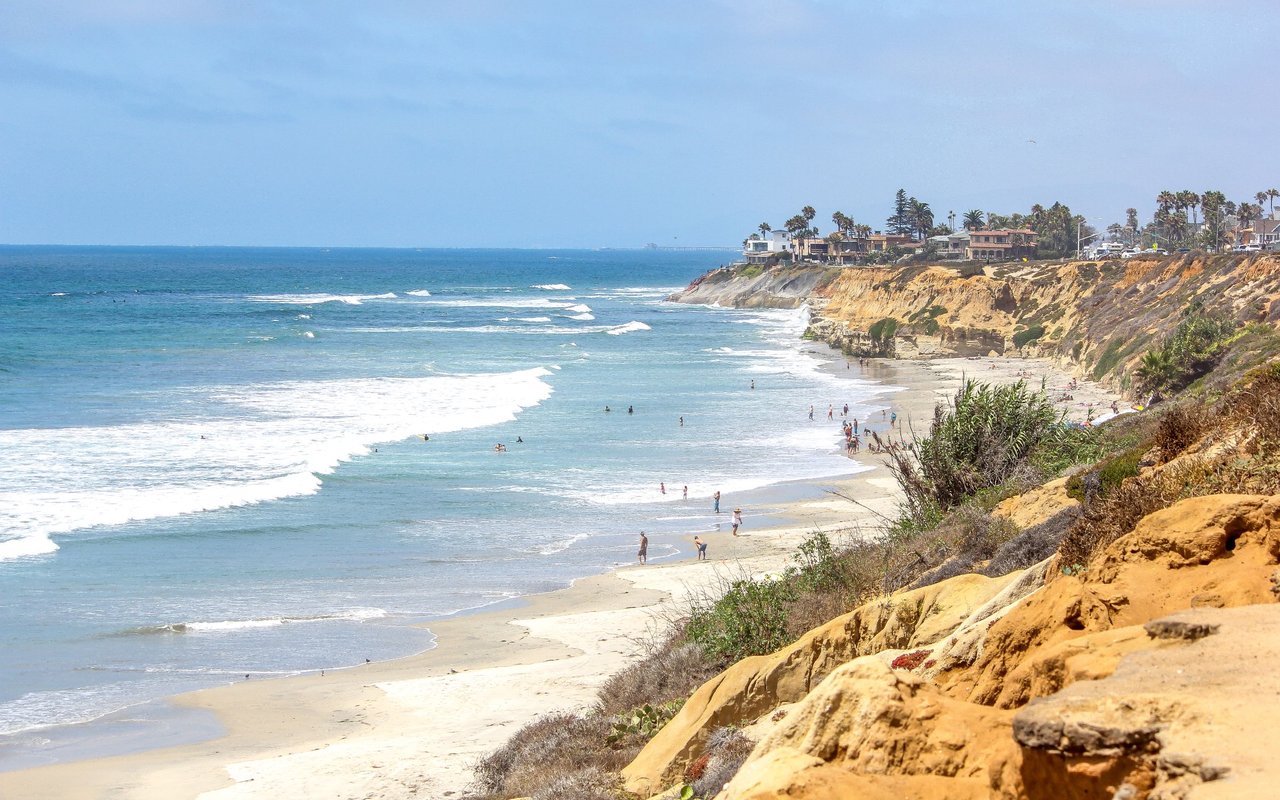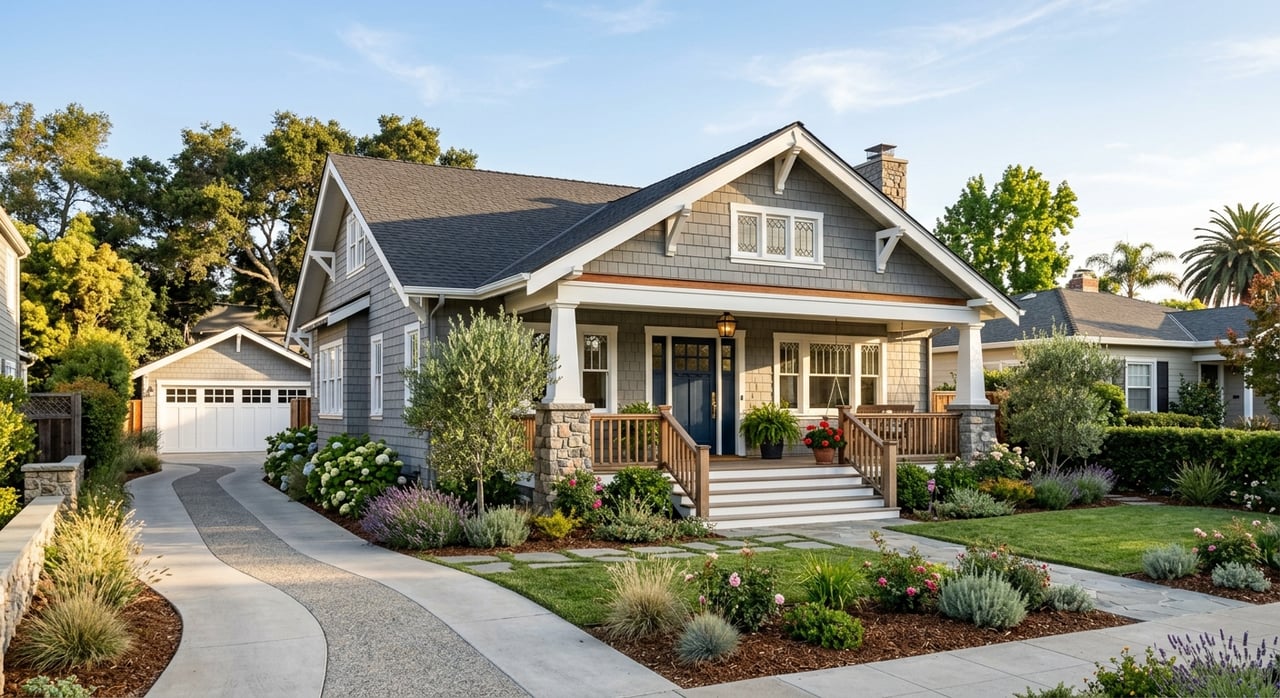
Upsizing on the Peninsula can feel like solving a puzzle. You want more space, a smart commute, and steady school plans without missing a great home to faster offers. If Belmont is on your shortlist, you’re looking in a city known for single-family living, hillside character, and quick-moving listings. In this guide, you’ll find current pricing context, neighborhood tradeoffs, commute insights, financing options to buy before you sell, and a simple timeline to keep everything on track. Let’s dive in.
Belmont at a glance for move-up families
Belmont is primarily single-family, with many mid-century homes and a steady stream of remodels and custom hillside builds. Small lots and topography shape what you can add, so planning ahead matters. The city’s housing element and planning materials describe how the housing stock has evolved and where growth is focused. You can review city policy context in the housing element documents on the state clearinghouse site at the CEQA portal for Belmont’s housing element update.
Families often choose Belmont for its parks and community amenities. Twin Pines Park anchors downtown activities, and the Waterdog Lake trails offer close-to-home open space for after-school adventures and weekend hikes. Explore these local amenities through the city’s facility directory for Twin Pines Park and nearby trails.
What the market looks like right now
As of February 2026, citywide figures show Belmont as a high-demand market. Redfin’s snapshot points to a median sale price around $2.50 million, with homes receiving multiple offers and a median time on market of about 10 days. Zillow’s typical home value index for the same period is about $2.26 million. These differences come from each platform’s methodology, so use both as directional context and date every data point.
For regional comparison in February 2026, San Carlos medians hovered near $2.85 million, Redwood City around $1.80 million, San Mateo near $1.43 million, and Foster City in the mid-$1 million range. These benchmarks help you weigh value, yard size, and commute tradeoffs across nearby cities while staying focused on Belmont’s inventory and pace.
Neighborhood tradeoffs to consider
Downtown and Ralston corridor
Small, central lots near Ralston Avenue and Belmont Village offer walkable access to daily conveniences. Proximity to downtown parks like Twin Pines Park and the Caltrain station simplifies routines. If walkability and simpler commutes top your list, these areas are worth a close look.
Western Hills, Plateau, and Skymont
Hillside neighborhoods often trade walkability for space, views, and closer access to open space. The Waterdog Lake and open space network is a signature draw for outdoor time. Expect a range of remodeled homes, thoughtful additions, and occasional custom builds shaped by hillside guidelines.
Other commonly referenced areas
You’ll see neighborhood names such as Belmont Heights, Cipriani, Laurelwood, Central, and McDougal in local market reports. Each area has its own feel, lot patterns, and renovation mix. Touring across a few will help you weigh yard size, slope, street grade, and access to daily routes.
Schools and enrollment basics
Most Belmont addresses for K–8 are served by the Belmont–Redwood Shores School District. Review district programs and verify address-based eligibility and enrollment steps directly on the BRSSD website. For high school, many Belmont students attend Carlmont High School within the Sequoia Union High School District. Always verify school assignments by address with the district before making a decision.
- BRSSD district information: Visit the district home page for current resources and contacts.
- Carlmont High School: See the school’s site resources and council pages for campus information.
Commute and access
Belmont’s Caltrain station connects you north to San Francisco and south into Redwood City and Palo Alto. Typical ride times to San Francisco are often in the 30 to 40 minute range depending on the train type and time of day. Check current timetables and advisories using Caltrain’s station and stops page as you plan.
By car, U.S. 101 offers the faster, business corridor, while I‑280 is a scenic route that can be efficient for some commutes. San Francisco International Airport is the primary airport for most Peninsula travelers. Because traffic can swing widely, plan with ranges rather than fixed estimates and lean on your employer’s commute or transit benefits where available.
How to compete and win in Belmont
Belmont listings that are priced well often receive multiple offers and move quickly. That pace rewards organized buyers who arrive preapproved, tour early, and submit well-documented offers. Common Peninsula practice uses inspection contingency windows in the 7 to 17 day range and loan contingencies in the 17 to 21 day range, with exact terms negotiated with your lender and agent. Sale-of-home contingencies are allowed, but in faster segments they are often less competitive unless price and terms reduce the seller’s risk.
Strong offer packets typically include lender preapproval, proof of funds, and a clear timeline. Many families also use flexible options like rent-backs, faster inspections, or increased earnest money to help a seller choose their offer without overspending.
Financing options to buy before you sell
If you need to access equity in your current home to buy your next one, consider these approaches and tradeoffs:
- Bridge loan. Short-term financing secured by your current home, often faster to fund but with higher rates and fees. Useful when you want a competitive, non-contingent offer.
- HELOC or second mortgage. Typically lower cost than a bridge loan, with setup time and often a variable rate. Good if you have stable equity and a few extra weeks to prepare.
- Buy-before-you-sell programs. Third-party programs can provide a purchase guarantee or interim solution for timing certainty, often for a fee. Terms and availability vary.
- Sale contingency with a kick-out clause. Protects you from carrying two homes at once, but can be at a disadvantage when a listing draws multiple offers.
Your lender can help you model costs, risk, and timing for each path. A project-managed timeline keeps the moving pieces in sync so you avoid avoidable double payments or rushed decisions.
Taxes, closing timeline, and planning costs
A typical financed purchase in California closes in about 30 to 45 days, depending on appraisal, underwriting, and contingencies. Cash purchases can close faster. Build a cushion for potential overlap in mortgage, insurance, utilities, and childcare or school expenses if your sale and purchase do not align perfectly.
For property taxes, Proposition 13 sets a base 1 percent rate, plus voter-approved local assessments. New owners often receive supplemental tax bills that reflect the difference between the prior and new assessed values. Review the Legislative Analyst’s Office property tax primer to understand how California property taxes work, then confirm property-specific assessments on the San Mateo County Assessor’s site before finalizing your budget.
- California property tax primer: Learn how assessments and rates are calculated.
- San Mateo County property tax bills: Review what appears on your local bill.
ADUs, permits, and hillside rules
Many Peninsula homeowners add accessory dwelling units to create in-law space or future rental income. Belmont provides ADU resources and pre-approved plan options, plus guidance on size thresholds and local standards. Start with the City of Belmont’s ADU resource center for the latest rules.
If you plan to remodel or add square footage, check Belmont’s planning and zoning pages. Because much of the city is hilly, permit and design review rules can affect additions, retaining walls, and garage conversions. Confirm path, timeline, and feasibility with the planning counter before you finalize assumptions in your offer.
A simple, project-managed timeline
- 3 to 6 months out. Secure lender preapproval, explore bridge or HELOC options, and outline a budget that accounts for taxes and potential overlap costs. If you are selling first, consider a pre-listing inspection to plan repairs and timing.
- 6 to 8 weeks to move. Narrow target neighborhoods and commute routes, and align listing prep if selling. Track pricing with current market snapshots and tour new inventory early.
- When you find the one. Decide if you will write non-contingent with bridge or HELOC funds, or contingent with a kick-out clause. Submit a clean, complete offer with proof of funds and clear timelines.
- Escrow and move. Expect 30 to 45 days with financing. Arrange movers, insurance, utilities, and any rent-back or short-term lodging if dates do not line up exactly.
Regional context and city planning
Belmont sits within the broader San Francisco–Redwood City–South San Francisco metro. For a high-level read on regional housing trends, consult HUD’s regional market analysis. At the city level, the housing element and environmental review materials outline priorities for housing, infrastructure, and planning. Reviewing these gives you a sense of how future infill and policy may shape neighborhood feel and opportunity.
- City planning overview: Start at Belmont’s planning and zoning pages.
- Housing element documents: See the CEQA listing for Belmont’s housing element work program.
Ready to take the next step?
If you want a calm, organized path to your next Belmont home, partner with an advisor who treats your move like a well-run project. From lender introductions and timing strategy to offer packaging and post-close improvements, you get a steady plan and clear communication every step of the way. To map your timeline or start touring, connect with Debbie Livingston.
FAQs
What are typical Belmont home prices in 2026?
- As of February 2026, Redfin reports a median sale price around $2.50 million, while Zillow’s typical home value is about $2.26 million; methods differ, so always date your figures.
How competitive are offers on Belmont single-family homes?
- Expect multiple offers and quick timelines when a home is priced well, with median time on market around 10 days in February 2026 and strong buyer preparation required.
Which public schools serve Belmont addresses?
- Most K–8 students are served by the Belmont–Redwood Shores School District and many high schoolers attend Carlmont; verify your exact address with the district websites before deciding.
How long is the Caltrain ride from Belmont to San Francisco?
- Typical rides are often 30 to 40 minutes depending on train type and time of day; check Caltrain’s station and stops page for current schedules and advisories.
What are my best options to buy a Belmont home before I sell mine?
- Bridge loans, HELOCs, and buy-before-you-sell programs can help you write a non-contingent offer, while a sale contingency with a kick-out clause trades certainty for competitiveness.
Does Belmont allow ADUs on typical residential lots?
- Yes, ADUs are allowed under state law and local standards; Belmont provides an ADU resource center with pre-approved plans and guidance on size, placement, and permits.
How long does closing usually take in Belmont if I finance the purchase?
- A financed purchase commonly closes in about 30 to 45 days depending on appraisal, underwriting, and contingencies; cash purchases can close faster.
Carlmont High School site resources
Twin Pines Park and local facilities
Belmont housing element documents (CEQA)