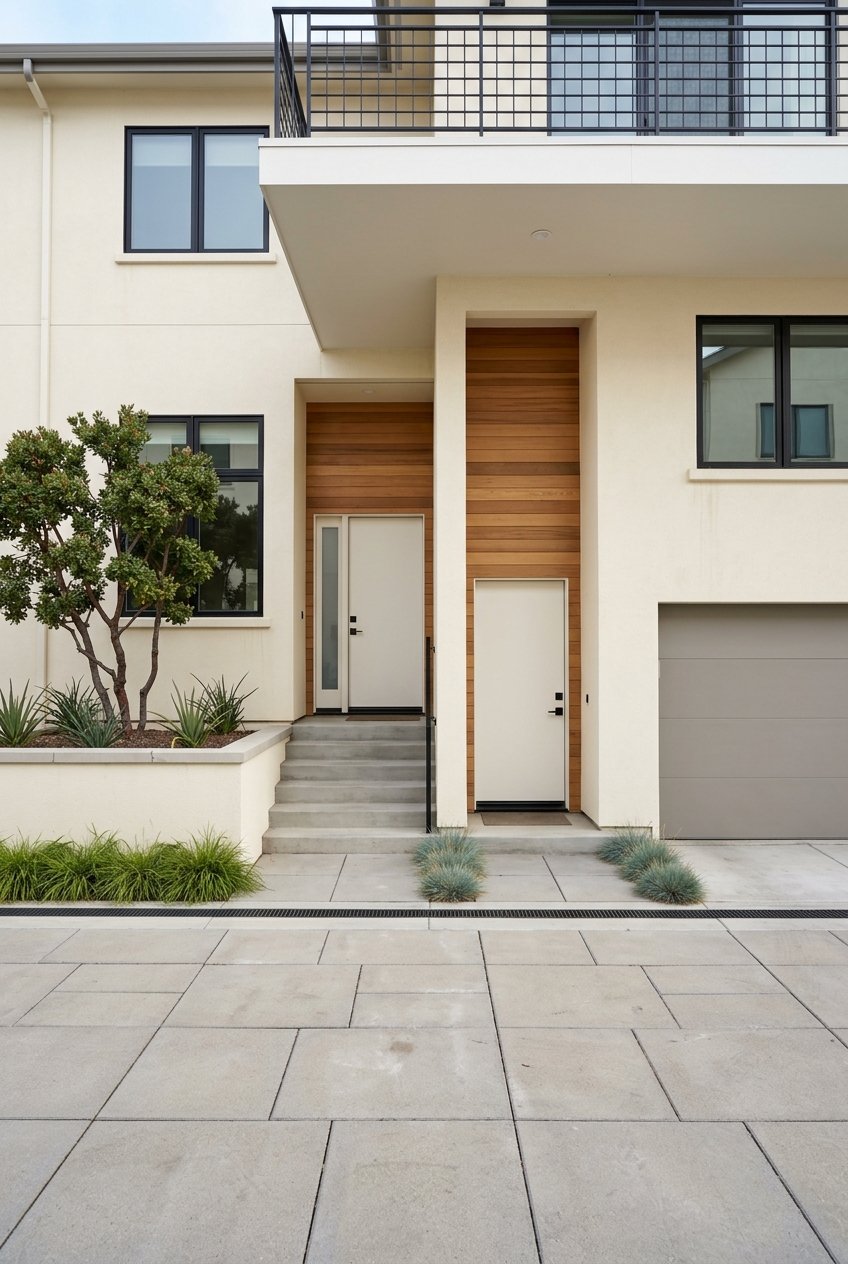
Wondering whether a condo or townhome is the right way to buy into Belmont? You are not alone. For many buyers, attached homes offer a more practical path into this competitive Peninsula market, but they also come with rules, shared costs, and ownership details that are easy to overlook. This guide will help you understand what to expect in Belmont, how condos and townhomes compare, and which questions can protect your budget and peace of mind. Let’s dive in.
Why Belmont attracts attached-home buyers
Belmont offers a mix of hillside settings, wooded residential areas, parks, and view-oriented housing that gives the city a distinct feel on the Peninsula. The city reports that multifamily units make up about 36% of its existing housing stock, so condos and townhomes are a meaningful part of the local housing picture.
That matters if you want Belmont access without the price tag or upkeep that often comes with a detached house. In a market where citywide median sale prices reached $1.95 million in March 2026 and homes were selling in about 10 days, many buyers look to condos and townhomes as a more attainable entry point.
What condos and townhomes look like in Belmont
Belmont’s condo and townhome inventory is usually limited, which can make the search feel competitive. Current market examples show only a small number of active condo and townhome listings at any given time, so it helps to be organized and ready to act when a good fit appears.
Many attached homes in Belmont are found in established communities and along corridors such as Continentals Way, Carlmont Drive, Davey Glen, and El Camino Real. Rather than seeing these homes scattered evenly across the city, buyers often find them grouped within planned communities or buildings.
Typical Belmont condo features
Current Belmont condo listings range from compact one-bedroom homes around 740 to 760 square feet to larger two- and three-bedroom units around 1,300 square feet. Depending on the community, you may see features like:
- In-unit laundry
- Private balconies or patios
- Reserved parking
- Secured or gated garages
- Extra storage
- Shared amenities such as pools, spas, fitness centers, lounges, or recreation rooms
If your goal is low-maintenance living, a condo can offer a simpler day-to-day routine while still giving you useful amenities and a convenient Belmont location.
Typical Belmont townhome features
Belmont townhomes are often larger and tend to live more like small single-family homes. Current listing examples are generally two to three bedrooms, two to 3.5 baths, and about 1,470 to 2,490 square feet.
You may find tri-level or split-level layouts, attached garages, skylights, fireplaces, private decks or yards, and hillside or canyon views. Some even include EV charging, which can be a meaningful plus if that feature is on your must-have list.
Condo vs. townhome in Belmont
Many buyers assume a townhome always means you own the land and a condo always means you do not. In California, it is not that simple.
The California Department of Real Estate explains that “townhome” is usually an architectural description, not a legal ownership category. A Belmont townhome may legally be a condominium, a planned development, or another type of common-interest development, so the ownership structure matters just as much as the floor plan.
Why ownership structure matters
When you buy in a common-interest development, you automatically become a member of the homeowners association. The governing documents explain who owns and maintains common areas, how assessments are collected, what insurance is carried, and what restrictions apply to owners.
That means two homes that look similar from the street can come with very different rules and responsibilities. Before you focus only on finishes and views, make sure you understand the legal setup behind the property.
How attached homes compare on price
For many Belmont buyers, the biggest advantage of a condo or townhome is the lower entry price compared with a detached house. Current examples show Belmont condos around roughly $985,000 at the median listing price, with some two-bedroom condos around $1.0 million to $1.17 million and a three-bedroom condo listed at $1.388 million.
By comparison, current single-family home examples in Belmont are around $2.0 million to $2.6 million, often with lot sizes between about 4,000 and 8,305 square feet. That gap helps explain why attached homes are often a practical option for first-time buyers, downsizers, and buyers who value location more than yard space.
The real monthly cost to plan for
A condo or townhome payment is not just your mortgage. In San Mateo County, secured property taxes are based on assessed value as of January 1, and the county says the rate is usually 1% plus voter-approved indebtedness, with added special charges from local jurisdictions.
For budgeting, your true monthly carrying cost usually includes:
- Mortgage payment
- Property taxes
- HOA dues
- Homeowners insurance or interior coverage, depending on the HOA setup
This is where buyers sometimes get surprised. A home with a lower purchase price can still feel expensive month to month if dues are high or if the HOA is under financial pressure.
Why HOA health matters so much
It is easy to ask, “What are the dues?” A better question is, “What do the dues actually support, and is the association financially healthy?”
According to the California Department of Real Estate, HOA dues generally pay for day-to-day operations and long-term reserves. Special assessments may be charged for major repairs, replacement projects, or unexpected cost increases, including insurance-related expenses.
Reserves can tell you a lot
Reserve studies help show how an association is planning for future costs like roofing, painting, paving, and other major replacement items. If reserves are weak, an HOA may rely more heavily on future special assessments.
That can affect both your ownership costs and the property’s long-term appeal. In other words, lower dues are not always better if the association is simply postponing expenses.
Questions to ask before you buy
A strong condo or townhome search in Belmont is not just about finding the right layout. It is also about confirming that the ownership structure, rules, and financials fit your goals.
Here are smart questions to ask during your search and review period:
- Is the property legally a condominium, a planned development, or another common-interest development type?
- What exactly do the HOA dues cover?
- How often have the dues increased?
- How well funded are the reserves?
- Is any major exterior work planned soon?
- Have there been recent or proposed special assessments?
- Are there restrictions on rentals, pets, parking, EV charging, or renovations?
- What insurance does the HOA carry, and what is the owner responsible for inside the unit?
- If the home is new construction, have you reviewed the California DRE public report and disclosures?
These questions matter because Belmont’s attached-home options range from compact starter condos to larger townhomes that function much more like detached homes. The lifestyle may feel similar from one property to another, but the legal and financial details can vary quite a bit.
A practical Belmont buying strategy
Because inventory can be thin in Belmont, it helps to search with a clear framework. That means deciding early what matters most to you: monthly payment, square footage, outdoor space, commute convenience, elevator access, parking, or amenities.
It also helps to look beyond the asking price. A project-managed approach can keep you focused on the full picture, including disclosures, HOA documents, reserve strength, insurance responsibilities, and upcoming maintenance issues before you commit.
What to prioritize first
If you are just starting your search, begin with these priorities:
- Set a comfortable monthly housing budget, including dues and taxes.
- Decide whether you want condo-style convenience or townhome-style space.
- Review HOA rules for any lifestyle issues that matter to you.
- Compare communities, not just individual units.
- Move quickly when a strong match hits the market.
In a fast-moving market like Belmont, preparation often creates your best advantage.
How Debbie Livingston helps buyers stay organized
Buying an attached home involves more moving parts than many people expect. Beyond the home itself, you may need to review HOA documents, compare ownership structures, understand carrying costs, and act quickly in a competitive setting.
That is where a calm, organized process can make a real difference. Debbie Livingston takes a project-manager approach to buyer representation, helping you stay on top of timelines, disclosures, property comparisons, and negotiation strategy so you can make a confident decision with fewer surprises.
If you are exploring condos or townhomes in Belmont and want clear guidance from the start, Debbie Livingston can help you evaluate your options and move forward with a smart plan.
FAQs
What is the difference between a condo and a townhome in Belmont?
- In Belmont, a condo and a townhome can look very different physically, but under California law a townhome may still be legally structured as a condominium or planned development, so you should confirm the ownership type before buying.
What should Belmont condo buyers review about the HOA?
- You should review what the dues cover, reserve funding, any recent or planned special assessments, insurance responsibilities, and rules on issues like parking, pets, rentals, renovations, and EV charging.
Are townhomes in Belmont usually bigger than condos?
- Current listing examples suggest yes, with Belmont townhomes often ranging from about 1,470 to 2,490 square feet, while many condos range from roughly 740 to 1,354 square feet.
Why are condos and townhomes popular in Belmont?
- They often provide a lower entry price than single-family homes in Belmont while offering less exterior maintenance and access to a competitive Peninsula location.
What costs should Belmont attached-home buyers budget for?
- You should budget for your mortgage, San Mateo County property taxes, HOA dues, and any owner-responsible insurance or interior maintenance costs.
What should Belmont buyers ask about a new-construction condo or townhome?
- If the property is new construction, you should ask for and review the California Department of Real Estate public report along with the disclosures, CC&Rs, and HOA cost details before becoming obligated to purchase.