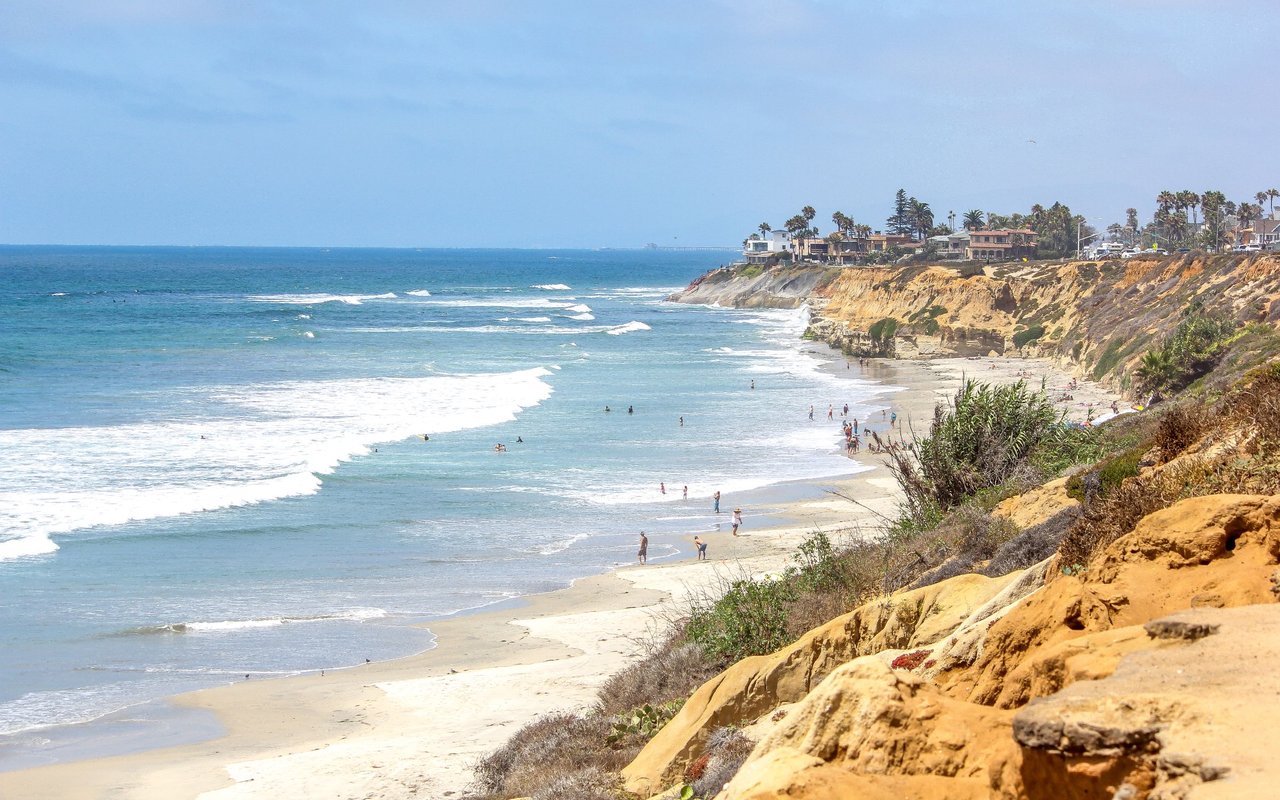
Craving ocean air, open space, and a small‑town rhythm within reach of the Bay Area? If you are picturing morning walks on bluffs, fresh seafood, and a slower pace after work, Half Moon Bay may be calling you. At the same time, you want to know how daily life really works here, from commuting and services to housing and coastal rules. This practical guide breaks down what you can expect so you can decide with confidence. Let’s dive in.
Coastside lifestyle at a glance
Small town, big scenery
Half Moon Bay is a compact coastal city on the San Mateo County coast with a modest year‑round population and a seasonal influx of visitors. You feel the local identity in the working harbor, nurseries and farms, and a walkable downtown that centers life around Main Street. The community blends long‑time residents, second‑home owners, and day visitors during peak seasons.
Year‑round outdoor access
Beaches, bluffs, and trails are everyday amenities here. Half Moon Bay State Beach and the adjacent blufftop pathways are favorites for walking, jogging, and sunset watching. The Coastside Trail makes family outings easy, and nearby Mavericks draws global attention for big‑wave surfing. You will also find boating and fishing activity based around Pillar Point Harbor.
Weather to plan around
The climate is maritime and mild. Expect cool summers with a marine layer and fog, and winters that are cool and damp. It often feels cooler and windier than inland Peninsula cities, so a light jacket is part of daily life.
Where you spend your time
Beaches, trails, and the harbor
If you love the outdoors, you will spend a lot of time on the sand or the bluffs. Explore the shoreline and day‑use areas through California State Parks, and check local event and activity ideas through Visit Half Moon Bay. The Coastside Trail is popular for biking and stroller‑friendly walks.
Downtown dining and local shops
Main Street and the harbor area host independent cafés, seafood spots, bakeries, and small boutiques. You will find farmers’ markets and seasonal produce from local growers. Daily essentials like groceries, pharmacies, and hardware are in town, while specialty medical services and big‑box retailers are inland on the Peninsula.
Community events and rhythm
The calendar is lively, with art fairs, holiday events, and the well‑known Pumpkin Festival. Summer weekends and major events bring heavy visitor traffic, so the pace can change quickly. If you value quiet weekdays and a festive weekend vibe, the mix can feel just right.
Housing and neighborhoods
Home styles you will see
Housing ranges from historic cottages near downtown to ranch‑style homes and newer subdivisions inland. You will also see condos and townhomes, plus higher‑value ocean‑view and blufftop properties. Nearby Coastside communities like El Granada, Princeton‑by‑the‑Sea, Moss Beach, and Montara offer a similar mix with their own character.
Prices and competition
San Mateo County is one of the priciest housing markets in the country, and Half Moon Bay often commands a premium for ocean access and views. Inventory can be tight, and ocean‑view homes usually draw strong interest. Many buyers act quickly and prepare for competitive offer situations.
Short‑term rentals and rules
If you are considering vacation‑rental income, know that short‑term rental rules can change. City and county ordinances, registration, and tax requirements may apply. Always verify current policies before you buy if rental flexibility is part of your plan.
Coastal realities to plan for
Erosion, flooding, and setbacks
Coastal bluffs and low‑lying areas come with unique risks, including erosion, storm surge, and sea‑level rise. Setback and permitting requirements can affect remodels or redevelopment near the coast, guided by the California Coastal Commission. As part of due diligence, review shoreline exposure with tools like the NOAA Sea Level Rise Viewer and check flood zones through the FEMA Flood Map Service Center.
Insurance and maintenance
Coastal location can affect availability and cost of homeowners and flood insurance. Some properties may sit in zones that require additional coverage, and maintenance needs can be higher due to salt air and wind. Many buyers speak with an insurance professional early to understand coverage and costs.
Permits and coastal projects
Projects near the shoreline often require additional review. City planning works alongside state and county agencies for coastal permitting. If you anticipate significant improvements, factor in extra time for approvals and expert input before you finalize your purchase.
Getting around
Commute routes and bottlenecks
Driving is the primary way people get around. CA‑92 is the main east‑west connector to I‑280 and US‑101, and traffic can back up during commute hours due to limited route options. Check live and planned roadway updates through Caltrans to understand how timing varies by day.
Transit options
Public transit is more limited than inland Peninsula cities. There is no Caltrain or BART in town, and many commuters rely on cars or employer shuttles. You can review bus service and connections through SamTrans to see what fits your routine.
Airports and regional travel
San Francisco International Airport is the nearest major airport and is reachable by car via CA‑92 and freeway connectors. You can find flight and terminal info at SFO’s official site. A small general‑aviation airport serves private and recreational flying nearby.
Daily living essentials
Groceries, services, and healthcare
You will find everyday services in town, including markets, pharmacies, banks, and clinics. For full‑service hospitals and specialized care, expect to travel to larger Peninsula cities like San Mateo or Redwood City. Many residents weigh proximity to medical services when choosing a neighborhood.
Schools and programs
Public schools for much of the Coastside are in Cabrillo Unified School District. Families typically research specific programs and boundaries to find the right fit. Start with district resources at the Cabrillo Unified School District website and confirm details directly with the district.
Is Half Moon Bay a fit?
Pros
- Everyday access to beaches, bluffs, and trails.
- A friendly, small‑town feel with local food culture.
- Scenic views and outdoor activities across seasons.
Tradeoffs
- Higher housing costs relative to many inland areas.
- Limited late‑night entertainment and big‑box retail in town.
- Heavier summer and event‑weekend traffic due to tourism.
- Car‑centric commuting with limited transit options.
Smart buyer checklist for Half Moon Bay
- Test your commute. Drive CA‑92 at your typical times, and check Caltrans updates.
- Review coastal exposure. Use the NOAA Sea Level Rise Viewer and FEMA flood maps early in your search.
- Understand permits. If you plan to remodel near bluffs or the beach, read guidance from the California Coastal Commission.
- Price your carrying costs. Get quotes for homeowners and flood insurance and plan for coastal maintenance.
- Research schools. Confirm programs and boundaries with Cabrillo Unified School District.
- Map daily life. Identify your go‑to grocery, clinic, pharmacy, and preferred parks.
- Plan for seasonality. Visit during a summer weekend and a winter weekday to experience different rhythms.
- Partner with a local advisor. Work with an agent who understands coastal permitting, market dynamics, and timing.
Work with a coast‑savvy advisor
When you are ready to explore homes, you deserve a steady guide who manages timelines, vendors, and details while you focus on the big picture. With a project‑managed approach and broad Peninsula and Coastside experience, Debbie will help you weigh tradeoffs, coordinate the right partners, and move with confidence from search to close. Let’s Connect — Start Your Home Search or Get a Free Home Valuation with Debbie Livingston.
FAQs
Is Half Moon Bay convenient compared to inland Peninsula cities?
- Daily essentials are in town, but you will drive inland for big‑box retail and specialized medical services, so plan for longer trips for some errands and appointments.
What should I know about coastal permits for remodels in Half Moon Bay?
- Projects near bluffs and beaches may require additional approvals beyond standard city permits, guided by the California Coastal Commission, so build extra time into your plan.
Can I commute to San Francisco or Silicon Valley from Half Moon Bay?
- Yes, most residents drive via CA‑92 to I‑280 or US‑101, but traffic can be heavy at peak times; transit is limited, so review SamTrans schedules if you want bus connections.
Are there public schools in Half Moon Bay?
- Much of the Coastside is served by Cabrillo Unified School District; families should confirm programs and boundaries directly with the district before deciding on a neighborhood.
What is the weather like across the year in Half Moon Bay?
- The climate is temperate and maritime with cool, often foggy summers and mild, breezy winters, so layers work year‑round and afternoons can feel cooler than inland areas.